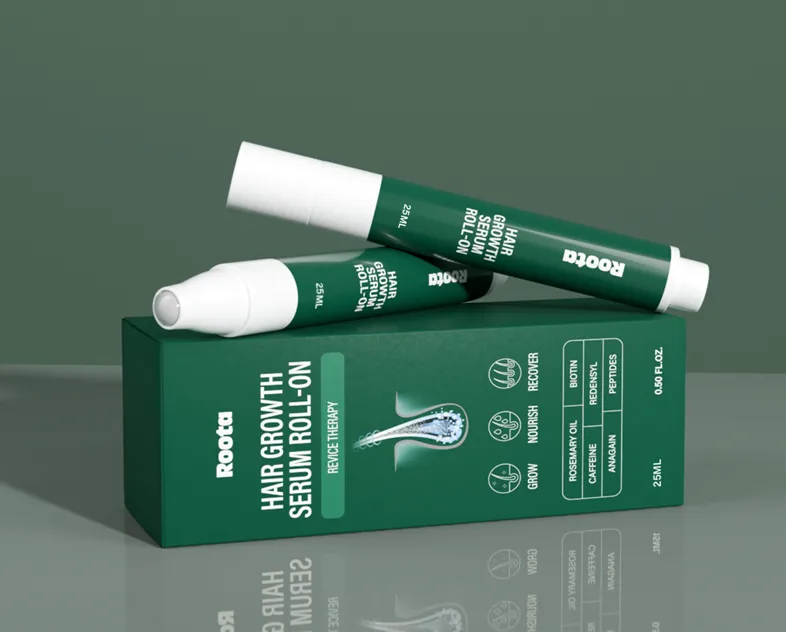
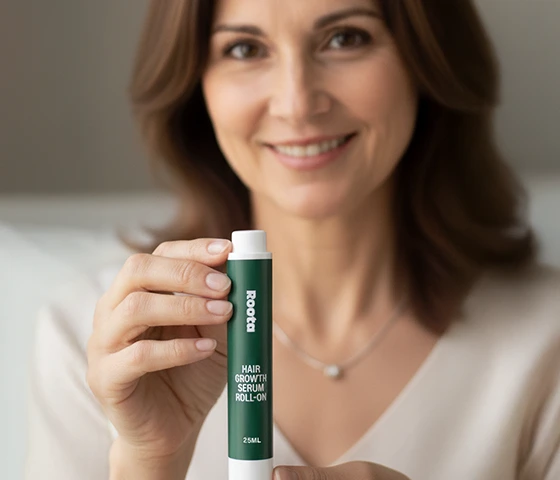
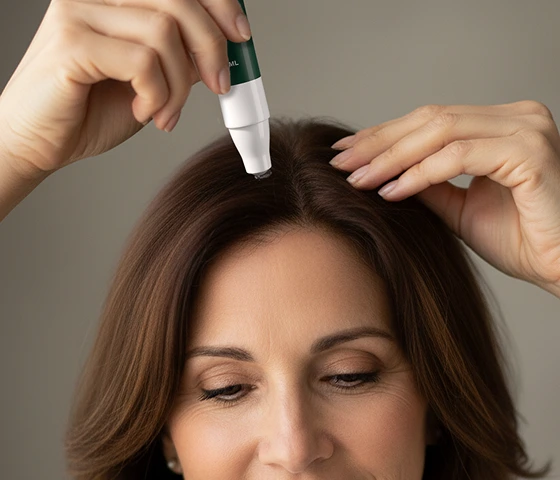
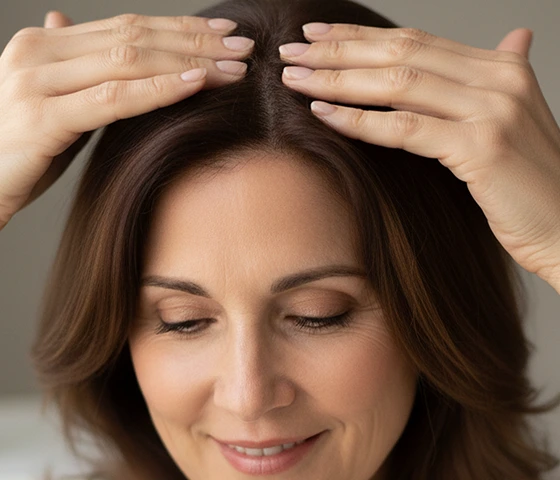
Roota hair growth serum is a plant-based roll-on scalp serum that targets excess DHT, supports dormant follicles, and is formulated to improve the appearance of fuller, denser hair. It goes on clean, absorbs without grease, and is made for daily use on sensitive scalps.
✅ Reduces the look of daily shedding within the first weeks of consistent use.
✅ Targets excess DHT at the scalp to support the natural growth phase.
✅Supports new baby-hair appearance around thinning areas and the part line.
✅Boosts scalp microcirculation to help nutrients reach the follicle.
✅Strengthens strands to resist breakage and support visible density.
Free shipping. 90-day money-back guarantee.
Made to Quality Standards.
Roota hair serum is a plant-based formula produced in an FDA-registered, cGMP-certified facility and batch-tested for purity and potency.
650,000+ people have started a Roota routine
Fast, Tracked Shipping.
Orders ship with tracking and email updates from checkout through to delivery, with free shipping on qualifying orders.
4.8 out of 5 average buyer rating
90-Day Money-Back Guarantee.
See a visible improvement or request a full refund within 90 days, with no returns necessary.
950,000+ bottles shipped worldwide
It usually starts small. A few extra strands in the shower. More hair on the brush than there used to be. A ponytail that feels thinner when you tie it back. At first it is easy to explain away, but over time the pattern becomes harder to ignore, especially along the part, the temples, and the crown.
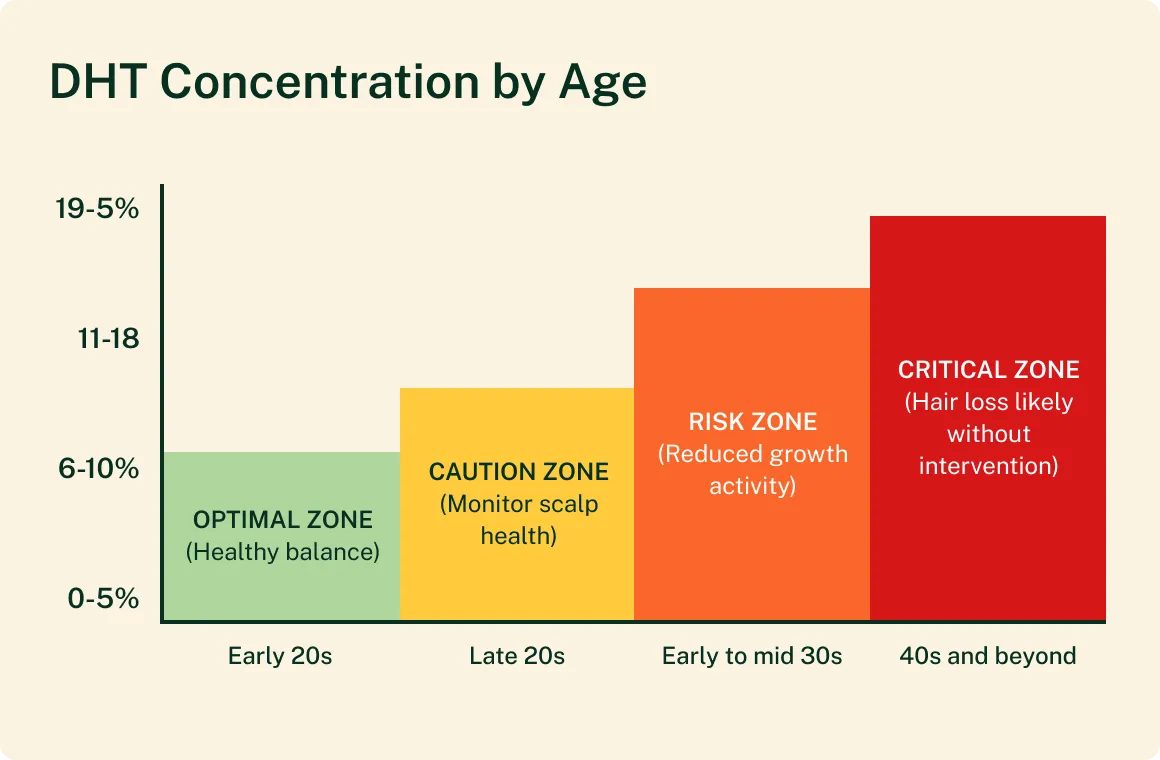
Most pattern thinning traces back to a hormone called DHT, short for dihydrotestosterone. DHT is produced when an enzyme called 5-alpha reductase converts testosterone at the scalp. When DHT levels build up around the follicle, the follicle gradually shrinks. Each new hair that grows from it comes in a little thinner and a little shorter than the last, until the follicle eventually slows down or stops producing a visible hair at all. This shrinking process is known as follicle miniaturization.
Two other factors make the problem worse. Low-grade scalp inflammation shortens the active growth phase, and reduced blood flow limits the oxygen and nutrients reaching the root. Together they tip the balance so that more hairs are resting or shedding than actively growing. The visible result is steady daily shedding and see-through areas where the scalp shows through more than it used to.
Thinning can begin in your thirties and is common alongside postpartum changes, PCOS, and perimenopause. Without scalp-level support, it often continues gradually rather than resolving on its own.
Androgenetic alopecia, the medical name for pattern hair loss, is extremely common. Roughly half of men show signs by age 50, and prevalence in women rises sharply after menopause.
In women, pattern thinning is around twice as likely among those with PCOS, which is one reason hormonal shifts and hair loss are so closely linked.
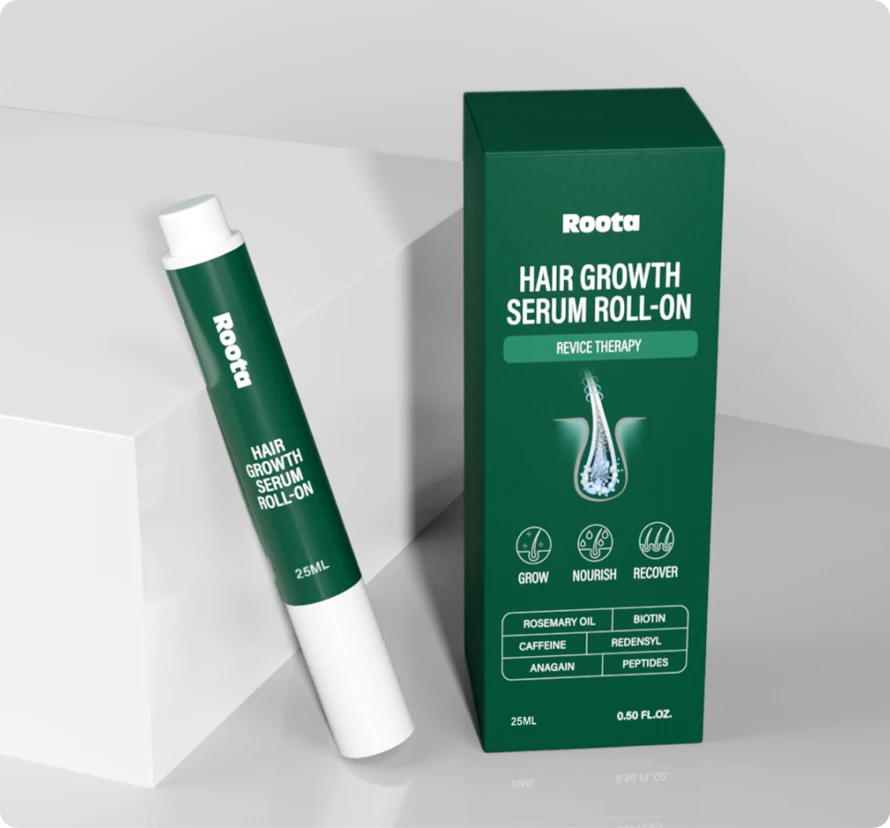
Hair thinning feels permanent when you are in the middle of it, but follicles affected by DHT are often dormant rather than gone. Dormant follicles can still respond to the right scalp environment, which is the idea Roota is built around.
Roota is a roll-on serum designed to support those weakened follicles at the source. The precision applicator delivers the actives straight onto the scalp where they are needed, rather than coating the lengths of your hair. It goes on clean and non-greasy, absorbs quickly, and is formulated for sensitive scalps and color-treated hair. There is no prescription, no lifetime dependency, and none of the drug-related side effects associated with some medical treatments.
Roota hair serum was developed for people who want a simpler, gentler starting point: a once-daily step that fits into a normal routine and works with the hair's natural growth cycle instead of forcing it.
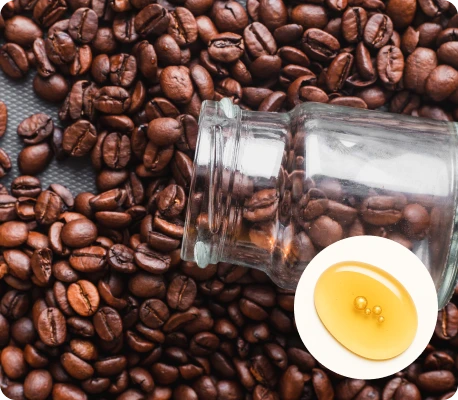
Reawakens dormant follicles and helps extend the growth (anagen) phase using caffeine, biotin, and Redensyl peptides that target the stem cells responsible for new hair. This is the part of the formula focused on getting resting follicles producing again.
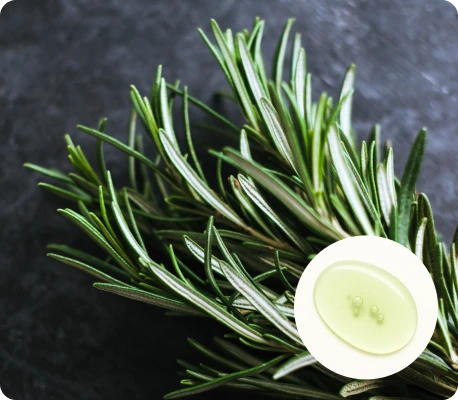
High-potency rosemary extract helps reduce DHT activity at the scalp. In a 2015 randomized trial, rosemary oil produced hair-count gains comparable to 2% minoxidil over six months, with less scalp itching reported in the rosemary group.
A scalp-soothing botanical blend helps calm the low-grade inflammation that can shorten the growth phase. Calmer skin supports a longer growth window and makes daily use more comfortable on sensitive or reactive scalps.
A caffeine-powered formula with a cooling roll-on application helps improve microcirculation at the surface of the scalp, supporting the delivery of oxygen and nutrients to the follicle where new hair is formed.
Roota hair growth serum is available through the official website, which carries the current discount and bundle pricing. Shipping is free on qualifying orders, and every purchase is covered by the 90-day money-back guarantee.
It is so easy to use. You just roll it on and go. I was not expecting much, but I noticed regrowth around my temples within a couple of months, and even my stylist commented on it.
My scalp used to feel dry and irritated, and my hair would shed a lot. Now there is barely any fall, and my scalp feels calmer and cleaner. I like how natural the formula feels.
After two months I can finally part my hair without worrying about my thinning spots. The serum feels soothing, and my hair looks a little fuller every week.
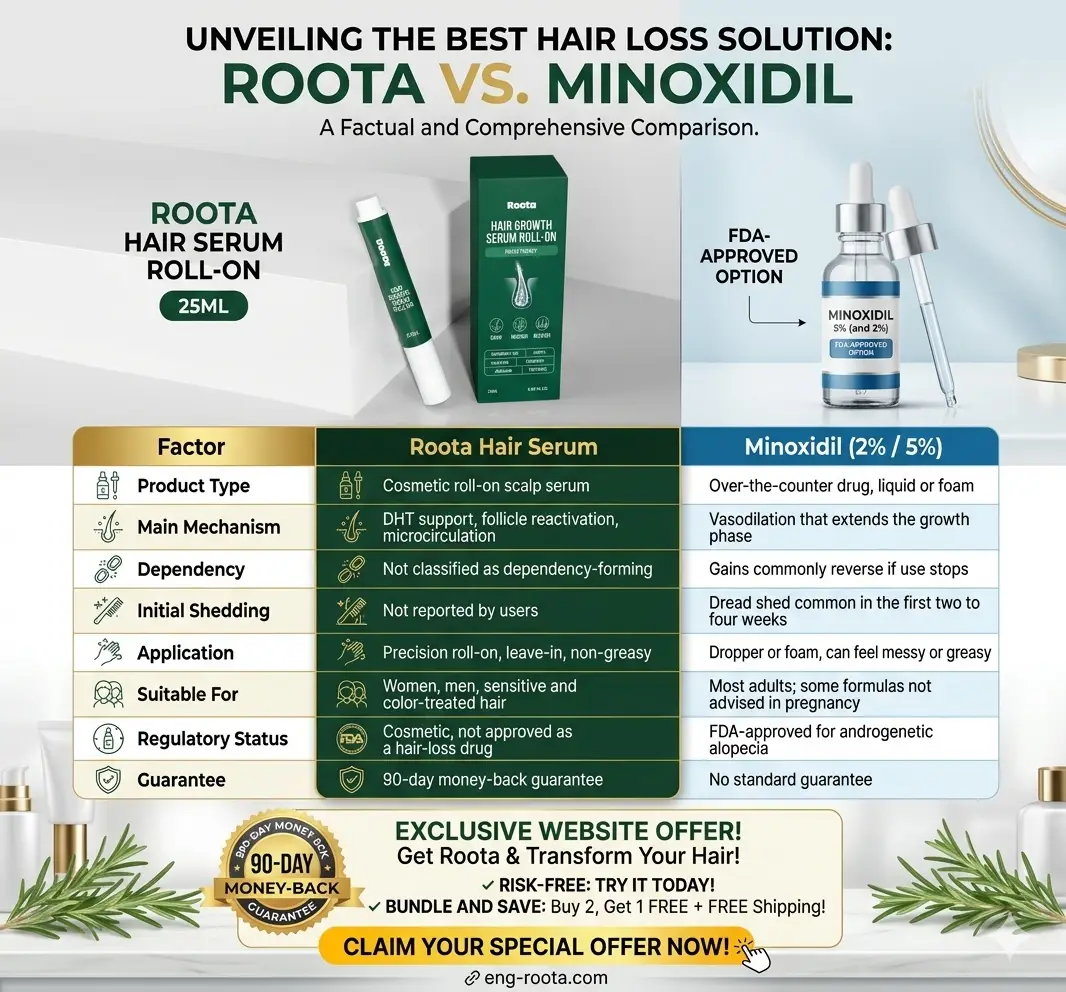
If you are researching Roota, you have almost certainly come across minoxidil too. The two are often mentioned together, but they are very different products. Minoxidil is an over-the-counter drug. Roota is a plant-based cosmetic serum. They work through different mechanisms, suit different people, and come with different trade-offs. Here is a straight comparison so you can decide what fits your situation.
On rosemary oil: In a 2015 randomized trial published in SKINmed (Panahi et al.), rosemary oil produced hair-count gains comparable to 2% minoxidil over six months, with less scalp itching. It was a single small trial, so it is promising rather than conclusive.
On Redensyl: In the manufacturer's clinical study, Redensyl increased the share of hairs in the anagen (growth) phase by about 9% and reduced telogen-phase hairs by about 17% after 84 days of use.
An honest balance: Minoxidil has decades of clinical trials and regulatory approval behind it, and stronger effect sizes in severe cases. Roota's actives are studied individually as cosmetic ingredients, and the finished product is positioned as scalp support rather than a medical treatment. For significant or rapid hair loss, a dermatologist is the right first stop.
This comparison is for information only and is not medical advice. Speak to a qualified clinician about significant hair loss.
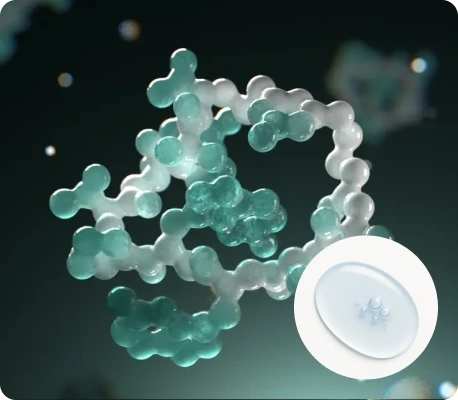
These are the two most technical actives in the formula. Redensyl is a patented complex developed by Givaudan that targets follicle stem cells to reactivate dormant follicles. AnaGain, derived from organic pea sprouts, helps shift the anagen-to-telogen ratio toward growth, so each follicle spends more time actively producing hair.
Topical caffeine does two useful things. It helps stimulate microcirculation at the scalp surface, and laboratory studies suggest it can counteract some of DHT's growth-inhibiting effect on follicles. The cooling sensation of the roll-on also signals the product is reaching the scalp where it is needed.
Rosemary oil has become one of the most researched natural hair ingredients of the past decade. It is thought to help inhibit 5-alpha reductase, the enzyme that creates DHT, while also supporting scalp circulation. In a head-to-head trial it performed comparably to 2% minoxidil on hair count over six months, which is why it sits at the center of Roota's DHT-focused approach.
Peptides are short chains of amino acids that act as signal molecules. In a scalp serum they help condition the follicle environment around the root, supporting the conditions associated with lasting density. They are a well-established category in cosmetic hair science.
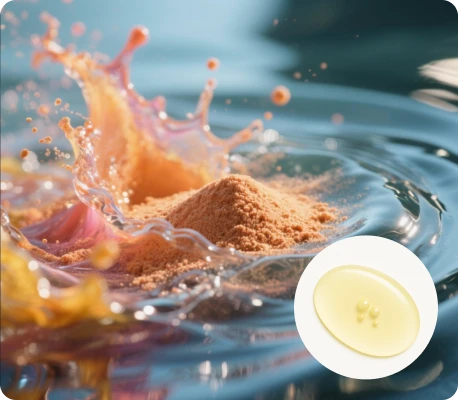
Biotin is a coenzyme involved in keratin production, the structural protein your hair is made of. Applied to the scalp, it supports the integrity of the hair shaft, helping strands resist breakage so they look stronger and fuller. Think of it as foundational support for the hair you already have, rather than a standalone growth trigger.
Trying any new hair product is a leap of faith, so Roota hair growth serum removes most of the risk. Use it for a full 90 days. If you do not see new growth and less daily shedding, you can request a full refund, and no returns are necessary. The manufacturer reports that hundreds of thousands of customers have started a Roota routine and rate it 4.8 out of 5.
Most users report less shedding within the first one to two weeks, with new baby hairs appearing around four to eight weeks. Visible density changes usually take about three months of daily use, because hair grows in cycles and dormant follicles need time to move back into the growth phase. The manufacturer recommends a consistent three-month routine for a fair assessment.
No. Roota is a cosmetic hair growth serum, not a vasodilator drug, so the initial shedding and the dependency commonly linked with minoxidil are not expected. Because it supports the scalp environment rather than forcing follicles through an artificial cycle, there is no documented rebound shedding when you stop.
Apply once daily directly to the scalp on thinning areas, massage for one to two minutes, and leave it in without rinsing. Consistency over at least three months matters more than anything else, so build it into a routine you will actually keep.
Yes. Roota is formulated without harsh chemicals, parabens, or artificial fragrance, and is positioned as suitable for sensitive scalps and color-treated hair. If your scalp reacts easily, do a small patch test before your first full application.
In most cases yes, because Roota is a topical cosmetic that does not act systemically. Many people layer it with oral supplements or use it between clinical treatments. If you currently use prescription medication for hair loss, confirm with your doctor first.
Yes. Although the marketing leans toward women, the formula targets scalp-level DHT and follicle health, which are relevant to both female and male pattern thinning. Men with early-stage or diffuse thinning are common users.
Roota is sold through the official website, which ships internationally and carries the current offers along with the 90-day money-back guarantee. Buying direct is the way to be sure you receive the genuine formula and qualify for the refund policy.
Roota